The history of the Cricket World Cup is a rich tapestry that spans several decades, characterized by thrilling contests, unforgettable moments, and the emergence of cricketing legends. The tournament's inception can be traced back to 1975 when the first-ever Cricket World Cup was held in England. This event marked a significant milestone in the sport of cricket, as it provided a platform for international teams to compete in the One Day International (ODI) format, a relatively new and exciting concept at the time. Eight teams participated in the inaugural World Cup, with the West Indies emerging as the inaugural champions. Clive Lloyd's team showcased their dominance and set the stage for future editions of the tournament.
Subsequent World Cups witnessed the gradual expansion of the competition. In 1979, the West Indies defended their title in England, while 1983 witnessed a historic upset when India, led by Kapil Dev, won the championship. This win catalyzed the immense popularity of cricket in India and made the World Cup a global spectacle. The tournament continued to evolve, with more teams joining the fray, and the 1992 edition in Australia and New Zealand marked the first time that colored clothing and floodlights were introduced, further enhancing the cricketing experience.
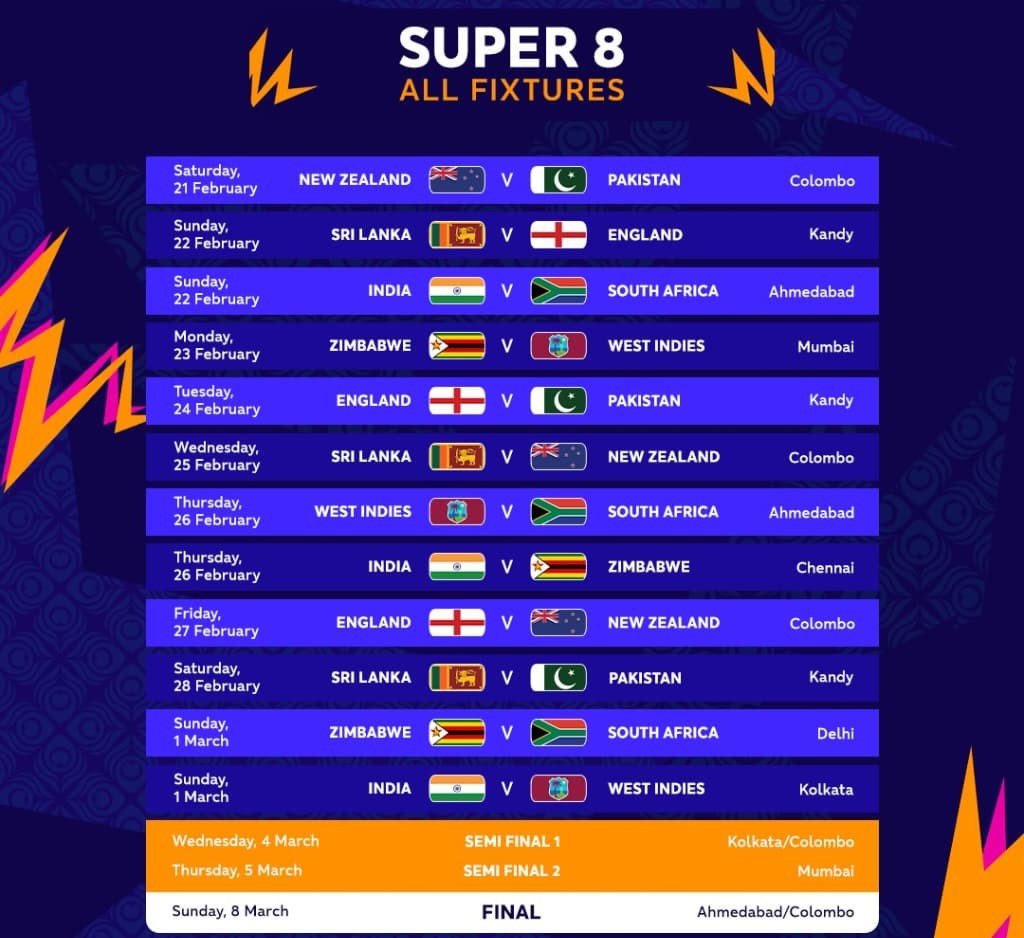
The 1996 Cricket World Cup in the Indian subcontinent brought about a new level of excitement as Sri Lanka, under Arjuna Ranatunga, clinched their first title. The tournament's format, structure, and rules underwent changes over the years, including the introduction of the Super Six stage, Super Eight stage, and the controversial 'chokers' tag on South Africa. Australia established themselves as a cricketing powerhouse during the late 1990s and early 2000s, winning three consecutive titles from 1999 to 2007 under the captaincy of Steve Waugh and Ricky Ponting.
In recent years, the Cricket World Cup has continued to captivate audiences worldwide. The 2011 World Cup hosted by India, Sri Lanka, and Bangladesh was marked by Sachin Tendulkar's quest for his 100th international century, while the 2015 edition in Australia and New Zealand witnessed a resurgence of the Kiwis and a remarkable run by the Black Caps to the final. The 2019 World Cup in England provided unforgettable moments, including England's thrilling super-over victory over New Zealand in the final.
The history of the Cricket World Cup is replete with countless individual and team achievements, heartbreaks, and iconic performances. It has played an instrumental role in the globalization of cricket, transforming it from a gentlemen's game to a globally beloved sport, with billions of fans eagerly awaiting the next installment of cricketing drama in each World Cup edition. The tournament's rich history ensures that it remains one of the most anticipated events in the sporting calendar, continuing to showcase the beauty and unpredictability of the game of cricket.